
Description
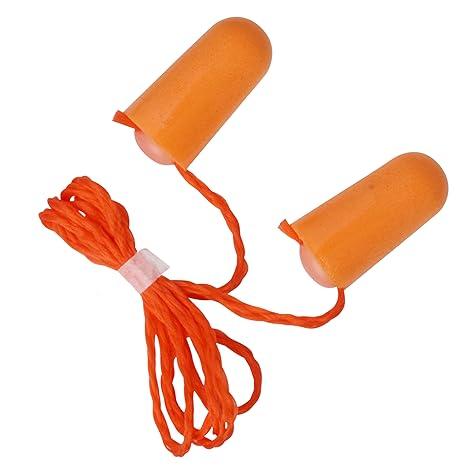
Ear plugs are essential protective devices designed to be inserted into the ear canal to mitigate the harmful effects of excessive noise, prevent water intrusion during activities like swimming, and block out distractions for improved sleep or concentration. Available in various materials such as soft, expandable foam, moldable silicone, and wax, they offer differing levels of noise reduction, measured in decibels (dB). While basic foam options provide superior noise blocking for industrial settings or occasional use, reusable silicone and high-fidelity filtered earplugs cater to specific needs, such as comfort for sleeping or maintaining sound clarity at concerts. Proper insertion and hygiene are crucial to ensure effectiveness and prevent ear infections, making them a simple yet vital tool for auditory health in a noisy world.
Specifications
| Primary Functions: |
They serve to protect hearing from loud noises, prevent water from entering the ear canal (especially during swimming), and aid in sleep or concentration by blocking ambient sound. |
| Specialized Uses: |
Specific designs exist for sleeping (low profile, soft material), swimming (waterproof seal), concerts (filtered sound), and industrial work (maximum noise reduction). |
| Fit and Hygiene: |
Correct insertion is crucial for a proper seal and safety. Reusable plugs must be cleaned regularly to prevent ear infections, while foam plugs are disposable after a few uses. |
| Noise Reduction: |
Effectiveness is measured by the Noise Reduction Rating (NRR) or Signal-to-Noise Ratio (SNR), typically ranging from 20 to 33 dB, depending on the type and material. |