

Panchkula
08048036861
+919915526408
Panel Meters

Panel Meters

Subcategory Tags

Phone Number

08048036861

Please keep 0 before dialling the number.

Email Address bhawna@desolpower.com

Mon-Thu: 10 AM - 2 PM • Fri: 3 PM - 7AM

Other Website Visit our other website
Address Plot NO 101, Industrial Area Phase 2, Panchkula, Haryana 134113

Panchkula, India, 134113

Description

Panel meters are simple devices that fit into electrical panels to show you important measurements like how much electricity is flowing (amperes), the electrical pressure (voltage), or the frequency of the power. They act like the dials on a car's dashboard, giving a quick look at how the electrical system is running. You can find two basic kinds: old-style analog meters with a moving needle, which are good for a quick visual check, and newer digital meters with a bright number display, which give you a very exact reading. They are vital tools for anyone managing electrical equipment, making it easy to monitor and ensure everything is working correctly and safely.

Specifications

Measurement Type: Panel meters are designed to measure specific parameters, such as voltage (AC or DC), current (AC or DC), frequency, power, power factor, temperature, or other process variables (e.g., pressure, flow, weight).
Power Supply: Most digital meters require an external AC or DC power source to operate, while many analog meters are self-powered by the signal they are measuring.
Accuracy: This property defines how close the displayed value is to the actual measured value. Digital meters generally offer higher accuracy and resolution compared to analog ones. Accuracy is often specified as a class
Input Signal Compatibility: The meter must be compatible with the type and range of the input signal, whether it's a direct connection or from sensors/transducers like current transformers (CTs), thermocouples, or RTDs. Common input ranges include 4-20 mA or 0-10 VDC.

Other Products

view all

6814772a5d263414004dd4a4 Card 2

product image
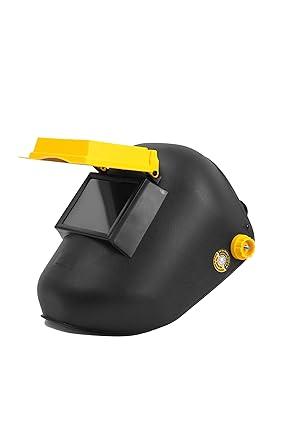
Welding Shield

A welding shield is a vital piece of personal protective equipment (PPE) designed to safeguard the welder's face and eyes from the intense light, heat, sparks, and harmful ultraviolet and infrared radiation produced during welding processes. These shields typically feature a protective lens that is either passive (a fixed, dark shade) or, more commonly today, an auto-darkening lens that instantly switches from light to dark when an arc is struck. Essential for preventing conditions like “welder's flash” (photokeratitis) and serious long-term eye damage, the appropriate welding shield is determined by the specific welding application and shade requirements outlined in safety standards from organizations like ANSI or OSHA.
6814772a5d263414004dd4a4 Card 2

product image
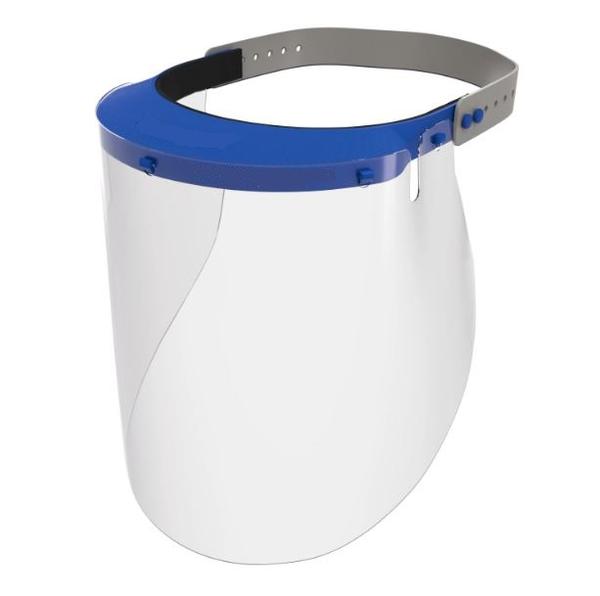
Face Shield

A face shield is a critical piece of personal protective equipment (PPE) engineered to provide comprehensive facial coverage against a wide spectrum of hazards, including high-velocity flying debris, chemical splashes, blood-borne pathogens, and dust particles. These devices are available in designs tailored for specific uses—such as medical-grade shields with anti-fog coatings for healthcare settings, and durable industrial shields made from impact-resistant polycarbonate for construction and manufacturing. Functioning as a secondary protective barrier that complements other gear like safety goggles or masks, face shields typically feature adjustable headgear for comfort and comply with safety standards such as ANSI Z87.1, making them an indispensable safety item across numerous professional and general-purpose applications.

6814772a5d263414004dd4a4 Card 2

product image
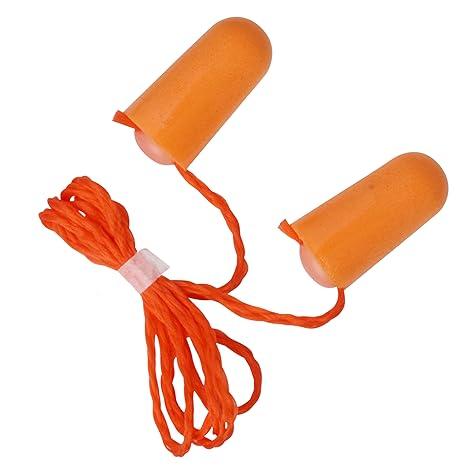
Ear Plug

Ear plugs are essential protective devices designed to be inserted into the ear canal to mitigate the harmful effects of excessive noise, prevent water intrusion during activities like swimming, and block out distractions for improved sleep or concentration. Available in various materials such as soft, expandable foam, moldable silicone, and wax, they offer differing levels of noise reduction, measured in decibels (dB). While basic foam options provide superior noise blocking for industrial settings or occasional use, reusable silicone and high-fidelity filtered earplugs cater to specific needs, such as comfort for sleeping or maintaining sound clarity at concerts. Proper insertion and hygiene are crucial to ensure effectiveness and prevent ear infections, making them a simple yet vital tool for auditory health in a noisy world.