
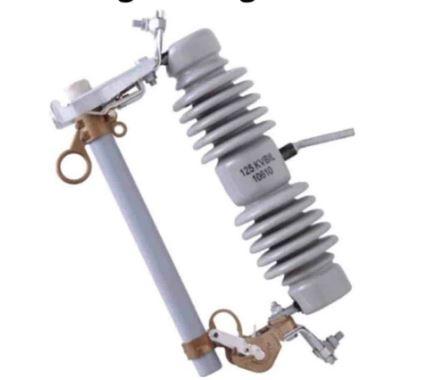
“High tension” (HT), a traditional term for high voltage (HV), describes fuses designed to protect electrical systems operating at voltages typically above 35 kilovolts. These critical safety devices are engineered to handle and safely interrupt the immense energy associated with high-voltage faults, thereby protecting expensive equipment such as transformers, power lines, and switchgear. Key types include High Rupturing Capacity (HRC) fuses, which use arc-quenching fillers like silica sand within their robust ceramic bodies, and expulsion or drop-out fuses used in outdoor overhead distribution, where the carrier physically drops open to indicate a blown fuse. Specialized current-limiting fuses are also used to rapidly choke off fault currents before they reach peak magnitude. Due to the inherent hazards of high voltage electricity, the selection, installation, and maintenance of these fuses require strict safety protocols, professional expertise, and adherence to international standards like IEC 60282-1.

Panchkula
08048036861
+919915526408
 Chat with us
 Chat with us