
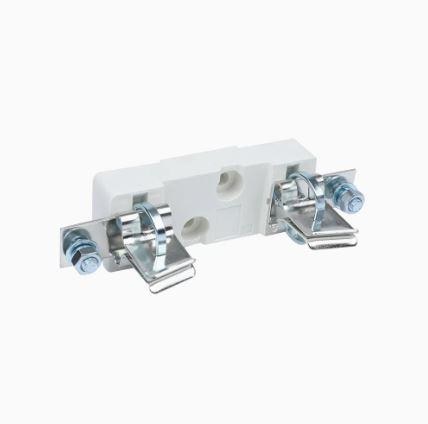
A low tension (LV) fuse base is an essential electrical safety component designed to house a fuse and facilitate its connection within a low-voltage circuit, typically rated up to 1500V. These bases securely mount the fuse, which acts as a sacrificial device to provide crucial over-current protection, thereby safeguarding wiring, equipment, and entire systems from damage caused by excessive current or short circuits. Common types include HRC (High Rupturing Capacity) fuse bases, such as the knife-blade (NH) or cylindrical designs, which are widely used in main distribution boards, motor circuits, and industrial panels due to their ability to safely interrupt large fault currents. Constructed from durable materials like molded plastic with silver-plated contacts, these components ensure reliable performance and are available in various mounting styles, including DIN-rail and panel mount configurations, from manufacturers like Eaton and ABB.

Panchkula
08048036861
+919915526408
 Chat with us
 Chat with us